
Missing several teeth does not always mean that every tooth needs to be replaced with an implant. For many patients, partial dentures offer a practical way to restore missing teeth while keeping healthy natural teeth in place. They can improve chewing, support speech, and help create a more complete smile with a removable design.
If you are missing several teeth but still have healthy natural teeth, it may be worth learning more about partial dentures at Best Value Dentures & Implants. Understanding how they work and how they compare with other replacement options can help you prepare for a personalized treatment discussion.
What Are Partial Dentures?
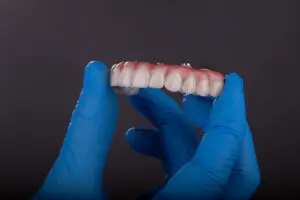
Partial dentures are removable dental appliances designed to replace several missing teeth. They use the remaining natural teeth and the shape of the mouth for support and stability.
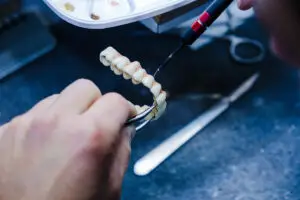
A partial denture generally includes replacement teeth attached to a base that resembles natural gum tissue. Depending on the design, the appliance may use small components that connect around or near the remaining teeth.
The purpose is to fill spaces without requiring every remaining tooth to be replaced.
This makes partial dentures different from full dentures, which replace all teeth in an arch.
Who May Benefit From Partial Dentures?
Partial dentures may be appropriate for patients who have lost several teeth but still have natural teeth that can provide support.
They may be considered after tooth loss caused by decay, gum disease, injury, or other dental problems.
Before recommending a partial denture, the dentist will evaluate the remaining teeth. Those teeth need to be healthy enough to support the appliance. If some remaining teeth are weak or severely damaged, they may require treatment before the partial denture is created.
The condition of the gums and jawbone also matters. A complete evaluation helps determine whether a partial denture or another replacement option makes the most sense.
Why Replace Several Missing Teeth?
It can be tempting to leave a missing tooth alone if the gap does not cause immediate pain. However, missing teeth can affect how the rest of the mouth functions.
Nearby teeth may shift toward an open space. Teeth that no longer have an opposing partner may also move. These changes can affect your bite and make some areas harder to clean.
Several missing teeth can also make chewing less efficient. You may naturally favor one side of the mouth, placing additional pressure on the teeth that remain.
Replacing the missing teeth can help restore a more balanced chewing pattern.
How Are Partial Dentures Made?
Treatment begins with an examination. The dentist evaluates your remaining teeth, gums, bite, and the areas where teeth are missing.
Digital scans or traditional impressions may be used to create an accurate model of your mouth. The design needs to fit comfortably while providing appropriate support.
The replacement teeth are selected to match your existing teeth as closely as possible. Shape, size, and color are considered during the design process.
Once the appliance is created, it is fitted in the mouth. The dentist checks the bite and makes adjustments to improve comfort and function.
What Is It Like to Wear Partial Dentures?
A new set of partial dentures may feel unusual at first. Your tongue and cheeks need time to adjust to the appliance.
Speech can also feel slightly different during the first few days. Reading aloud and practicing common words can help you adapt.
Eating also takes practice. Begin with softer foods and smaller bites. Chewing on both sides can help distribute pressure more evenly.
As your mouth becomes accustomed to the appliance, many everyday activities become more natural.
Can Partial Dentures Look Natural?
Modern partial dentures can be designed with attention to the shape and shade of your natural teeth. The goal is to create replacement teeth that blend into the existing smile.
Good design is about more than tooth color. The size, position, spacing, and gum-colored areas all affect how the appliance looks.
Your dentist can discuss your cosmetic preferences during treatment planning, especially if the missing teeth are in a visible area.
How to Clean Partial Dentures
Because partial dentures are removable, daily cleaning is straightforward once you learn the routine.
Remove the appliance as directed and clean it with an appropriate denture brush and cleaner. Avoid abrasive products that can scratch the surface.
Your natural teeth require just as much attention. Brush twice daily and clean between the remaining teeth every day.
Pay special attention to the teeth that help support the partial denture. Plaque around these teeth can increase the risk of gum problems and decay.
Your dentist may recommend specific cleaning tools based on the design of your appliance.
How Long Do Partial Dentures Last?
The lifespan of partial dentures varies. Normal wear, changes in your mouth, and the condition of the remaining teeth can all affect how long the appliance remains comfortable and functional.
The jaw and gums can change over time after tooth loss. As those tissues change, the fit of a partial denture may also change.
Regular dental visits can help identify when an adjustment, reline, repair, or replacement may be appropriate.
If the appliance becomes loose, painful, cracked, or difficult to use, schedule an evaluation rather than trying to repair it yourself.
Partial Dentures Compared With Dental Implants
Partial dentures are removable, while dental implants are placed into the jawbone and can support fixed restorations.
Some patients prefer partial dentures because they can be removed for cleaning and may provide a more accessible approach to replacing several teeth.
Other patients may prefer implants because they want a fixed restoration and do not want to remove their replacement teeth.
Implant bridges can also replace several missing teeth using strategically placed implants. The right option depends on bone, gum health, remaining teeth, treatment goals, timeline, and budget.
There is no requirement to choose the most complex treatment. The goal is to find a solution that fits your individual needs.
What If More Teeth Are Missing Later?
Oral health can change over time. If additional teeth are lost, your existing partial denture may need to be modified or replaced.
This is another reason regular dental visits are valuable. Your dentist can monitor the remaining teeth and identify concerns before they become larger problems.
Protecting the natural teeth that remain can help preserve more options for future treatment.
Benefits of Partial Dentures
- Can replace several missing teeth with one removable appliance.
- Can preserve the natural teeth that remain.
- Can improve chewing function.
- Can support clearer speech after tooth loss.
- Can provide a more complete-looking smile.
- Can be removed for convenient cleaning.
- Can offer a practical alternative to fixed implant treatment for selected patients.
- Can be customized around the patient’s remaining teeth and oral anatomy.
How to Make Your Partial Denture More Comfortable
The first few days are often the biggest adjustment period. Wear the appliance according to your dentist’s instructions and give your mouth time to adapt.
If you experience persistent soreness, do not simply stop wearing the appliance or attempt to adjust it yourself. The dentist can identify the area causing irritation and make the appropriate adjustment.
Chewing slowly and taking smaller bites can also help during the transition.
Questions to Ask Before Treatment
Before choosing partial dentures, ask which teeth will support the appliance and whether those teeth need treatment first.
You can also ask what type of material will be used, how the appliance will be maintained, and what to expect during the adjustment period.
It is helpful to discuss alternative treatments as well. Depending on your situation, a traditional bridge, implant bridge, individual implant crowns, or another option may be available.
A Flexible Option for Replacing Missing Teeth
Partial dentures can provide a practical way to replace several missing teeth while preserving healthy natural teeth. They are removable, customizable, and designed to restore important everyday functions such as chewing and speaking.
The best treatment depends on your current oral health and what you want from your replacement teeth. A professional evaluation can help you understand the choices without pressure.
Ready to learn whether partial dentures could be right for you? Contact Best Value Dentures & Implants at 786-984-8235 or visit 9000 SW 152nd St STE 101, Miami, FL 33157 to Book an Appointment.