
Dental Implants In Miami: A Clear, Step-By-Step Guide To Replacing Teeth With Confidence
Published on Feb 17, 2026 | 8 minute read
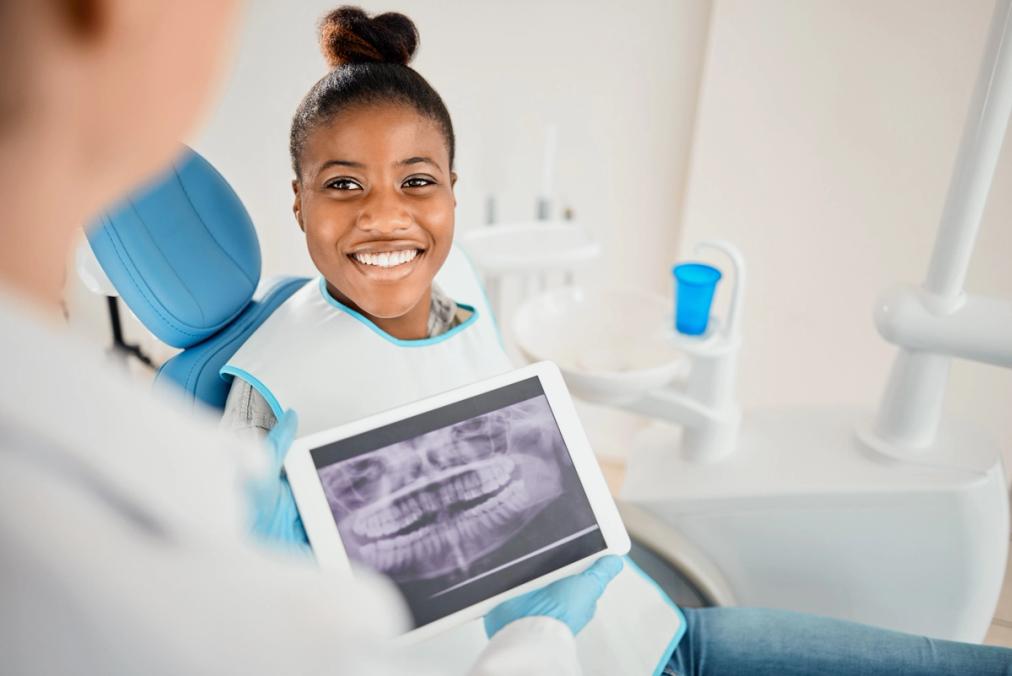
Think of a strong tree. The part you see is the trunk and leaves, but the real stability comes from the roots. Teeth work the same way. When a tooth is missing, it’s not just the visible part that’s gone—the “root” support is missing too. Dental implants replace that support, giving you a secure base for a natural-looking tooth. For many patients, dental implants are the closest match to real teeth in comfort and function.
This guide explains how dental implants work, what the process looks like, how to plan costs, and how to keep implants healthy for the long term.
What Dental Implants Are (Without The Confusing Terms)
Dental implants are small posts placed into the jawbone to act like tooth roots. After healing, they support a restoration such as:
- A single tooth (an implant crown)
- Several teeth (an implant bridge)
- A full arch (All-on-X fixed implants)
- A removable option (implant supported dentures)
The power of dental implants is stability. Instead of relying on neighboring teeth or resting on the gums alone, implants anchor teeth to bone. That typically means stronger chewing, fewer worries about movement, and a smile that feels more like your own.
Why People Choose Dental Implants
Many patients choose dental implants because they want a solution that feels solid in daily life. Common reasons include:
- A replacement tooth that does not come out at night
- A bite that feels secure and balanced
- A natural look that blends with the smile
- Support for jawbone in areas where teeth were lost
- A long-term plan that is serviceable over time
Another key point: dental implants often protect other teeth. For example, replacing a single tooth with an implant may avoid the need to reshape neighboring teeth for a bridge.
The Dental Implants Process: What To Expect
The steps for dental implants are very organized. While each patient is different, the process often includes:
1) Consultation And 3D Planning
A detailed exam and 3D scan help the team plan implant position safely and precisely. Planning is about more than bone. It’s also about where the final tooth should sit for speech, comfort, and a natural look.
2) Preparing The Site
If a tooth needs removal, the dentist may recommend a tooth extraction first. In some cases, a small amount of grafting is placed to preserve the shape of the bone. This planning step can improve the final result for dental implants.
3) Implant Placement
Implant placement is typically done with local anesthesia, and many patients are surprised by how manageable it feels. You may feel pressure, but sharp pain is not the goal. After the implant is placed, the gum is allowed to heal.
4) Healing And Integration
Over several weeks or months, the implant bonds with the bone. This is a normal, healthy process and is one reason dental implants can be so stable. During healing, you may wear a temporary tooth so your smile stays complete.
5) Final Restoration
Once healing is complete, the final tooth, bridge, or denture is attached. The team checks the bite carefully so the new tooth feels comfortable and works well with your other teeth.
“Teeth In A Day” And Faster Options
Some full-arch cases allow for “teeth in a day,” where a temporary fixed bridge is placed the same day as surgery. Not everyone qualifies, and that’s okay. For dental implants, safety and stability come first. If a staged approach is better for your bone or bite, it often leads to stronger long-term results.
Comfort, Safety, And Anxiety
It’s normal to feel nervous. Many patients ask about comfort during dental implants. Local anesthesia is standard, and sedation options may be available depending on the procedure and your needs. After placement, mild soreness is common, but most people manage it with simple care, soft foods, and the instructions provided.
What Dental Implants Cost And Why Prices Vary
The cost of dental implants depends on several factors:
- How many implants are needed
- Whether grafting is recommended
- The type of final restoration (implant crown, bridge, or full-arch)
- The complexity of your bite and smile design
- The materials used for the final teeth
A helpful tip is to ask for a written plan that includes imaging, implant placement, parts, temporaries, and the final restoration. That keeps comparisons fair and helps you budget with confidence.
At Best Value Dentures & Implants, many patients use financing to spread treatment into manageable monthly payments, turning dental implants into a realistic plan rather than a stressful decision.
Keeping Dental Implants Healthy
Dental implants can last for many years with consistent care. Daily habits matter:
- Brush twice daily
- Floss around implants using tools recommended by your dental team
- Consider a water flosser for easier cleaning
- Keep regular professional cleanings and checkups
- Address grinding with a nightguard if needed
Implants do not get cavities, but the gums around them still need care. Keeping the gumline clean helps protect the bone support that makes dental implants successful.
A Patient-Friendly “Why It’s Worth It” Section
When patients invest in dental implants, they often gain benefits that go beyond a single tooth:
- More secure chewing and better comfort at meals
- A smile that looks natural and supports everyday confidence
- Better stability compared with many removable options
- Support for bone in areas where teeth were lost
- Flexible solutions that can replace one tooth, several teeth, or a full arch
Professional guidance in dentistry consistently explains that implant-supported teeth can improve function and satisfaction when planned carefully and maintained well. In simple terms, dental implants are designed to help you live more normally again.
Common Questions About Dental Implants
How long do dental implants last?
With good home care and regular checkups, dental implants can last for decades. The visible restoration may need replacement over time due to normal wear, but the implant itself is built for long-term stability.
Am I too old for dental implants?
Age alone is rarely the issue. Overall health, bone condition, and habits like smoking matter more than the number on a birthday.
What if I don’t have enough bone?
Many patients can still have dental implants with simple grafting or a treatment plan designed for their anatomy. A 3D scan clarifies what’s possible.
Do dental implants look natural?
Yes. Modern materials and careful shade matching allow dental implants to blend with your smile in a very natural way.
A Simple Timeline You Can Picture
Many people like to see the journey on a calendar. While every case is unique, the path for dental implants often follows a steady rhythm: plan first, place the implant, allow healing time, then attach the final tooth. Even when healing takes a few months, most patients say the time passes quickly because they are living life while the foundation becomes strong.
Dental implants are a reliable, modern way to replace missing teeth with comfort and stability. They can support a single tooth, strengthen a bridge, or anchor a full set of teeth. With careful planning, a clear timeline, and simple daily care, dental implants help many Miami patients eat, speak, and smile with less worry and more ease.
Ready to explore dental implants for your smile? Contact Best Value Dentures & Implants at 786-984-8235 or visit 9000 SW 152nd St STE 101, Miami, FL 33157 to schedule a consultation and learn which dental implant option fits your goals.
