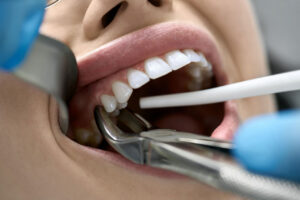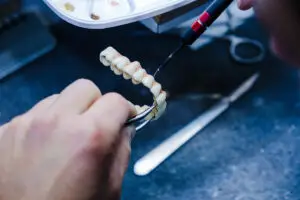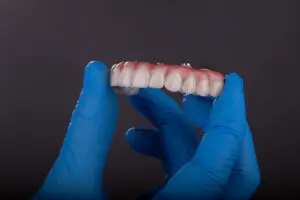

When most or all teeth in an arch need to be replaced, the foundation beneath the replacement teeth deserves just as much attention as the teeth themselves. All-on-6 dental implants use six implants to support a complete arch, giving selected patients another option for fixed full-arch restoration.
If you are comparing full-arch implant treatments, you can learn more about All-on-6 dental implants at Best Value Dentures & Implants. Understanding how the treatment works, what affects candidacy, and what daily care involves can help you prepare for a more productive dental consultation.
What Are All-on-6 Dental Implants?
All-on-6 dental implants use six dental implants to support a full arch of replacement teeth. Rather than replacing each missing tooth separately, the implants work together to support a complete restoration.
The implants are placed strategically within the jawbone. Once healing has taken place, the final restoration is attached to the implant foundations.
The result is designed to remain fixed in place. Unlike traditional dentures, patients do not typically remove the full-arch restoration each night.
This approach may be considered for patients who need extensive tooth replacement and want a stable, fixed solution.
Why Use Six Implants?
Six implants can provide multiple points of support for a full-arch restoration. The goal is to distribute chewing forces across the supporting foundation and create a stable platform for the replacement teeth.
However, the number six should not be viewed as a universal requirement. Some patients may be better suited to four or five implants, while others may need a different treatment plan altogether.
The appropriate configuration depends on bone anatomy, bite forces, the location of available bone, and the design of the final restoration.
That is why the treatment should begin with imaging and a detailed evaluation rather than choosing a number of implants based only on preference.
Who May Be Considered for All-on-6 Treatment?
All-on-6 dental implants may be considered for patients who are missing most or all teeth in an upper or lower arch.
Some patients may have teeth that are severely damaged or failing and require a comprehensive treatment plan. Others may already wear dentures and want a fixed alternative.
Good candidates need an oral foundation that can support implants or a treatment plan that can address limitations in bone or gum health.
The dentist will also consider general health, medications, oral hygiene, smoking, bite, and other factors that can influence healing and long-term maintenance.
The Importance of 3D Imaging
Full-arch implant treatment is not a one-size-fits-all procedure. Three-dimensional imaging can help the dentist understand your jawbone in much greater detail than a standard visual examination alone.
Imaging can help identify the available bone and important anatomical structures. It also helps the dentist plan where the implants should be placed.
The final restoration is considered during this process. The implant positions should support the appearance, bite, and cleaning needs of the completed restoration.
This type of planning is especially important when replacing an entire arch because even small changes in implant position can affect the final result.
What Happens During Treatment?
The treatment begins with a consultation and imaging. Once a plan has been developed, the implants are placed into the jawbone.
Local anesthesia is used during implant placement. Patients who feel nervous about dental treatment can discuss available comfort options before their procedure.
Depending on the individual treatment plan, temporary replacement teeth may be provided during the healing stage.
The implants then need time to integrate with the surrounding bone. This process is an important part of creating a stable foundation for the final restoration.
After healing, the final full-arch teeth are created. The dentist checks the bite, appearance, speech, and comfort before completing the restoration.
What Should You Expect During Recovery?
Recovery is different for every patient. Some people experience swelling or tenderness after surgery, while others have a relatively mild recovery.
Your dentist will provide instructions about food, cleaning, activity, and medications. Following those instructions carefully can help protect the treatment site.
A softer diet may be recommended during the early healing period. This gives the implants time to stabilize without unnecessary chewing pressure.
Follow-up visits are important because the dental team needs to monitor healing before progressing to the final restoration.
Eating With All-on-6 Dental Implants
Once the implants have healed and the final restoration is in place, improved chewing is one of the main goals.
Patients should still use common sense when eating. Extremely hard foods can damage dental restorations, just as they can damage natural teeth.
If you have spent a long time wearing dentures or living with missing teeth, your chewing habits may also need time to adjust. Starting with smaller portions and gradually introducing firmer foods can make the transition easier.
Maintaining Your Full-Arch Restoration
Fixed teeth are not maintenance-free. Food particles and plaque can still collect around the restoration and implants.
Brush twice a day and use the cleaning tools recommended for your restoration. A water flosser, specialized floss, or interdental brush may be useful depending on the design.
Professional maintenance visits are also important. The dentist can examine the gums around the implants, check the bite, and evaluate the restoration for wear.
If you notice looseness, discomfort, bleeding around an implant, or a sudden change in your bite, contact the dental office.
All-on-6 Compared With Other Full-Arch Options
Patients often want to know how All-on-6 dental implants compare with other full-arch approaches. The answer depends on the individual treatment plan.
All-on-4 treatment uses four implants, while All-on-5 uses five. All-on-6 uses six. The number of implants is only one part of the decision. Bone anatomy, restoration design, bite, and long-term maintenance all matter.
Traditional dentures are removable and do not require implant placement. Implant-supported dentures use implants for added retention but remain removable.
A fixed full-arch solution may appeal to patients who want teeth that remain securely in place. A removable implant-supported denture may appeal to someone who values the ability to remove the appliance for cleaning.
Benefits of All-on-6 Dental Implants
- Can replace an entire arch of missing or failing teeth.
- Uses six implants as a supporting foundation.
- Provides fixed support for a complete arch restoration.
- Can distribute chewing forces across multiple implant foundations.
- Can improve stability compared with many traditional removable dentures.
- Can restore chewing and speech function.
- Can provide a natural-looking full-arch restoration.
- Can offer long-term function when implants, gums, and restorations are properly maintained.
What Can Influence Treatment Cost?
The cost of All-on-6 dental implants can vary because every patient’s treatment plan is different. Factors can include extractions, imaging, implant placement, temporary teeth, final restoration materials, and additional procedures.
It is useful to request a complete treatment plan rather than comparing only the implant portion of treatment. The final cost should reflect the complete process needed to reach the planned result.
Ask about financing and insurance assistance as well. The practice can explain available options and help you understand what may apply to your individual situation.
How to Prepare for Your Consultation
Bring a list of your current medications and any questions you have about treatment. It can also help to think about what you want to improve most.
For example, you may want more chewing stability, a fixed restoration, improved appearance, or a simpler daily routine. Knowing your priorities helps the dental team explain which options may fit those goals.
You do not need to arrive knowing whether you want four, five, or six implants. The purpose of the consultation is to evaluate your mouth and explain your options.
Finding a Full-Arch Solution That Fits Your Needs
All-on-6 dental implants can provide a stable foundation for a complete arch of replacement teeth. The treatment combines implant placement, careful digital planning, a customized restoration, and ongoing maintenance.
The number of implants is only one part of the decision. Your anatomy, health, bite, goals, and budget all deserve consideration before treatment begins.
Ready to explore whether All-on-6 dental implants may be appropriate for you? Contact Best Value Dentures & Implants at 786-984-8235 or visit 9000 SW 152nd St STE 101, Miami, FL 33157 to Schedule a Consultation.